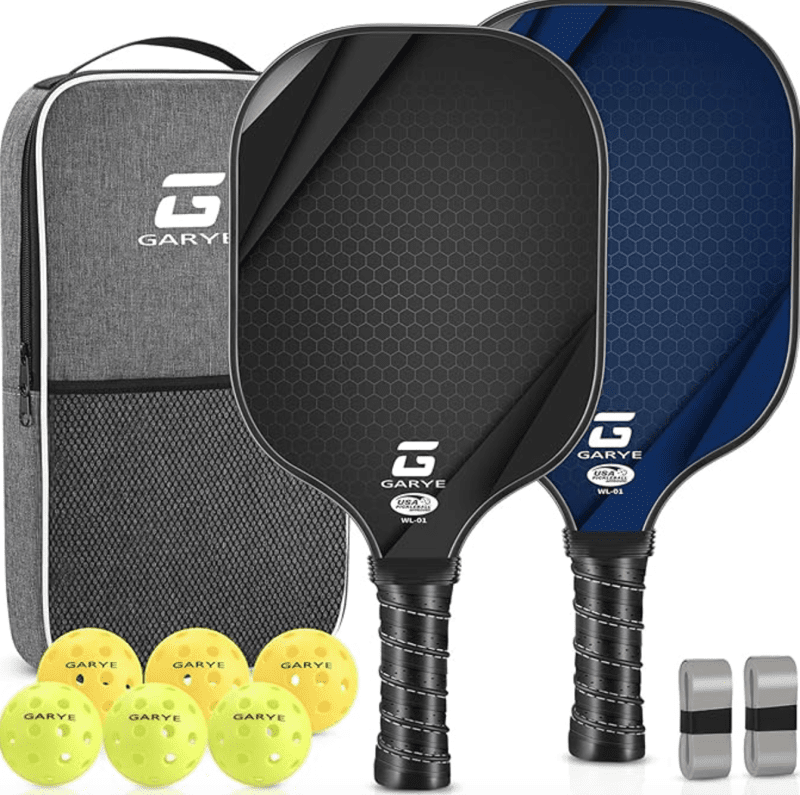
When you step onto a pickleball court, you'll notice the layout and lines are really important. Understanding these can help you play better and have a lot more fun! The court itself is a rectangular space, measuring 20 feet wide and 44 feet long for doubles games. If you're playing singles, you're still on the same size court, but the area you use is a bit different.
Now, let’s break down the lines on the court. The boundary lines define the playing area. If the ball lands on or touches these lines, it’s considered in! Confused about the service area? No worries! Each side of the court has a 14-foot area called the "server’s box" where you must serve from behind the baseline.
Another important spot is the non-volley zone, often referred to as the kitchen. This is a 7-foot area in front of the net where players can't step in to hit the ball unless it has bounced. This rule helps keep the game fair and encourages more strategic play.
Finally, don’t forget about the centerline! It divides the court into two halves and helps keep things organized during play. Knowing all these lines and areas will not only help you follow the rules but also give you a better feel for positioning during the game. Happy playing!
Serving Basics You Need to Know
Getting the hang of pickleball is all about understanding the basics, especially when it comes to serving. It’s where the game starts and can set the tone for the entire match. So, let’s break down some essential serving rules that will up your game!
First off, your serve must be made underhand. That means the paddle has to be below your waist when you make contact with the ball. It might feel a bit strange at first, but it’s a game rule designed to keep things fair and fun. Plus, it allows for those sneaky spins that can catch your opponents off guard!
Next up is the serve’s placement. You’ll need to serve from the back of the court, and it has to land in the designated diagonal service box of your opponent’s side. Keep an eye on that line – the serve is considered out if it touches or goes beyond the boundary. Aim for precision over power, as a well-placed serve can be more effective than a hard one!
Don’t forget about the double bounce rule! After your serve, the ball must bounce once on your side, then your opponent must let it bounce once on their side before they can hit it back. This rule helps keep the game flowing and adds an extra layer of strategy to your play.
Remember, serving isn’t just about getting the ball over the net. By understanding these basics, you’re not only following the rules but also setting yourself up for some real fun on the court. Now, grab your paddle and get out there!
Scoring Made Simple for Players
Understanding the scoring system in pickleball can seem tricky at first, but it’s actually quite straightforward once you get the hang of it. In pickleball, players or teams earn points only when they are serving. So, if you're on the receiving end, you can focus on defending and setting up for your next turn to serve.
Here's how the scoring works:
In doubles play, the first server for each team gets two chances to serve unless they lose the rally. After the first server loses their serve, then the second server steps up. Once both players on one team have served and lost their turns, the serve goes to the opposing team.
This simple system keeps the game fast-paced and fun. Don’t stress too much about memorizing everything at once; just dive in and play! You’ll naturally pick up the scoring rules as you go along. Happy playing!
Common Mistakes to Avoid During Matches
When you’re caught up in the heat of a pickleball match, it’s easy to slip up. Here are some common mistakes players often make that can really affect their game:
Avoiding these pitfalls can help make your games smoother and more enjoyable. Just remember, practice makes perfect! Keep refining your skills and you’ll see improvements over time.